
With the fast-paced nature of the world today, it is all too easy to become stressed, overwhelmed and exhausted. While may link fatigue to low energy or reduced productivity, however, its effects go far beyond how we feel. Fatigue directly impacts our skin, hair, and overall appearance too. Chronic fatigue accelerates aging, weakens hair follicles, and strips away our natural glow, leaving behind dullness, breakouts, and fine lines. The good news? With the right lifestyle adjustments and scientifically backed supplements, we can replenish energy levels, restore skin vitality, and bring back a radiant, healthy complexion from the inside out.
What is Fatigue?
Fatigue isn’t just feeling tired—it’s a full-body energy drain that dulls your glow, saps motivation, and disrupts both physical and mental well-being. Unlike ordinary tiredness that disappears after rest, fatigue lingers, making even the simplest tasks feel overwhelming. It can be triggered by poor sleep, chronic stress, nutrient deficiencies, or underlying health conditions like thyroid imbalances or anaemia. When stress hormones like cortisol remain elevated for too long, they throw off your body’s natural rhythm, leading to sluggishness, brain fog, and irritability. Even an imbalanced diet lacking essential vitamins and minerals can leave your body struggling to produce energy at the cellular level.
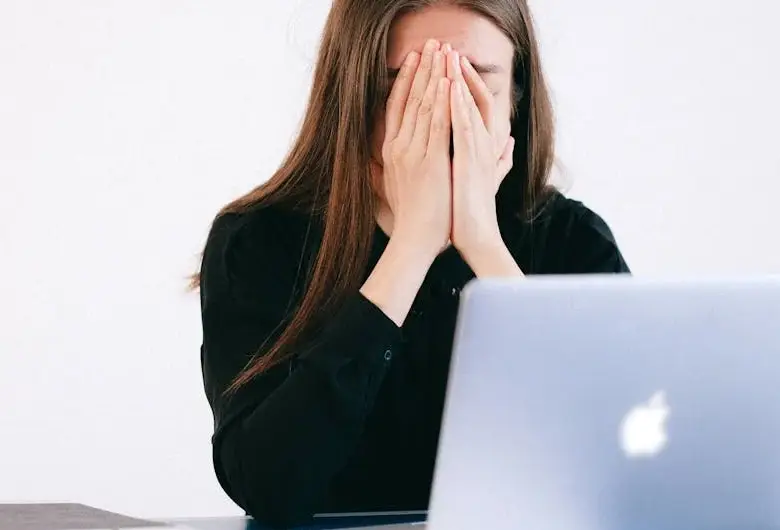
Think of fatigue as your body’s SOS signal—it’s telling you that something needs attention. Whether it’s improving sleep hygiene, managing stress, fuelling your body with nourishing foods, or addressing potential health concerns, fighting fatigue is key to looking and feeling your best. Prioritising rest, hydration, and mindful self-care can restore energy levels, boost mood, and help you reclaim your radiance from the inside out. By listening to your body and making intentional lifestyle changes, you can break free from exhaustion and step into a healthier, more vibrant version of yourself.
What Are the Different Types of Fatigue?
- Physical Fatigue: Muscle weakness, reduced endurance, and slower recovery from physical activity.
- Mental Fatigue: Brain fog, difficulty concentrating, and reduced cognitive function.
- Emotional Fatigue: Feeling overwhelmed, irritable, and emotionally drained.
- Chronic Fatigue: Long-term exhaustion that doesn’t improve with rest and may be linked to medical conditions like chronic fatigue syndrome (CFS) or adrenal dysfunction.
Understanding fatigue is the first step toward addressing its impact on your health, including your skin.
What is the Impact of Fatigue on Skin, Hair, and Beauty?
1. Fatigue and Skin Health: Dullness, Wrinkles, and Breakouts
When we are fatigued, our body produces higher levels of cortisol, the stress hormone that breaks down collagen and elastin, leading to premature wrinkles, fine lines, and loss of skin elasticity. Chronic stress and sleep deprivation also impair skin barrier function, making the skin prone to dehydration, dullness, and breakouts. Specifically, these are the potential outcomes of prolonged fatigue:
- Under-eye dark circles and puffiness: Poor sleep and exhaustion can cause fluid retention and blood vessel dilation, leading to dark circles and swollen under-eyes. Additionally, lack of sleep reduces the oxygen supply to the skin, making it appear dull and lifeless. Over time, these effects can become permanent, requiring targeted interventions such as proper hydration and antioxidant-rich skincare.
- Increased inflammation: Fatigue weakens the skin’s natural defence system, making it more prone to acne, redness, and irritation. Inflammatory skin conditions such as eczema and psoriasis can also worsen with chronic fatigue due to an overactive immune response.
- Slower repair and aging signs: Cellular regeneration happens mostly during deep sleep. When rest is compromised, skin cells don’t recover properly, leading to premature aging. Collagen production is also significantly reduced, causing sagging skin, deeper wrinkles, and loss of elasticity.
To counteract these effects, it is crucial to maintain a consistent sleep schedule, follow a nutrient-rich diet, and consider incorporating supplements that help to protect the skin against oxidative stress and premature aging.
2. Hair Growth and Fatigue: Thinning, Breakage, and Hair Loss
Your hair reflects your overall health, and fatigue can directly affect hair growth. Persistent exhaustion has the potential to disrupt the hair growth cycle, leading to shedding, brittleness, and slower hair growth.
- Stress-induced hair loss (Telogen Effluvium): Chronic fatigue increases stress, pushing more hair follicles into the resting phase, resulting in noticeable hair thinning and shedding. This condition, while temporary, can last several months if the underlying cause is not addressed.
- Reduced scalp blood flow: Sleep deprivation and poor circulation mean hair follicles receive less oxygen and nutrients, weakening hair structure. When the scalp doesn’t receive enough nourishment, hair strands become fragile and prone to breakage.
- Weaker hair shafts and breakage: Nutrient deficiencies caused by prolonged fatigue can lead to weaker, more brittle hair. Essential vitamins and minerals like biotin, zinc, iron, and omega-3 fatty acids play a key role in supporting hair strength and thickness.
To restore hair health, focus on improving sleep quality, reducing stress, and incorporating hair-supporting nutrients into your daily regimen. Scalp massages, deep conditioning treatments, and avoiding excessive heat styling can also help mitigate hair damage caused by fatigue.
Also Read – 12 Effective Home Remedies For Itching Eyes
3. The Effects of Fatigue on Overall Beauty: Lacklustre Appearance
Fatigue doesn’t just affect the skin and hair—it diminishes our natural glow and vibrancy. Reduced energy levels can cause:
- Dull complexion: Oxygen and nutrient delivery to the skin slows down, making the face appear tired and lifeless. Hydration and proper nutrition play a crucial role in maintaining a glowing complexion.
- Dehydration: When the body is exhausted, hydration levels drop, leading to dry, flaky skin. Hydrating from within by drinking sufficient water and consuming foods high in water content can significantly improve skin texture.
- Lack of radiance: Reduced circulation and oxidative stress make the skin look pale and fatigued. Brightening skincare ingredients like vitamin C, niacinamide, and hyaluronic acid can help counteract this effect.
Introducing iüVitalizer: A Supplement to Fight Fatigue
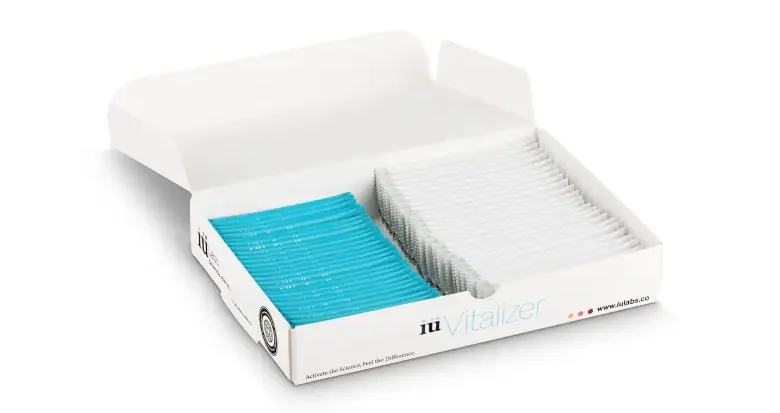
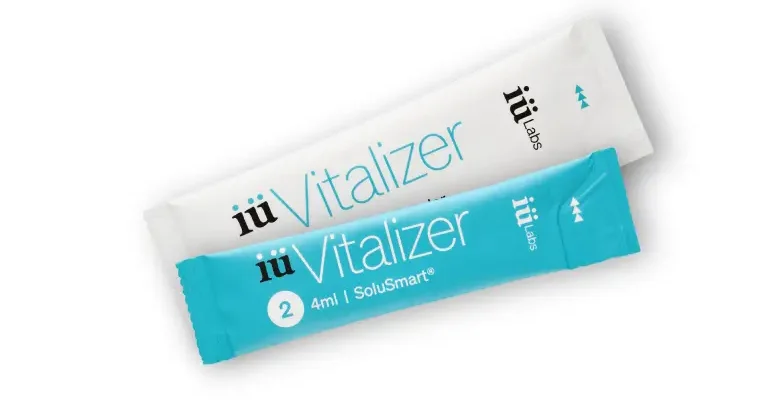
When exhaustion dims your glow and drains your energy, iüVitalizer steps in to restore balance from within. This ground-breaking bioenergy complex drink is meticulously crafted for those seeking sustained energy and improved focus without the crash. It’s not a standard energy drink. With a powerful blend of over 30 natural ingredients, including B vitamins, Rhodiola Rosea root extract, curcumin, guarana, ginseng, green tea extract, ginger extract, alpha-lipoic acid, and Ashwagandha root extract, iüVitalizer works at the cellular level to combat oxidative stress, reduce inflammation, and support neurobiological metabolism for optimal function.
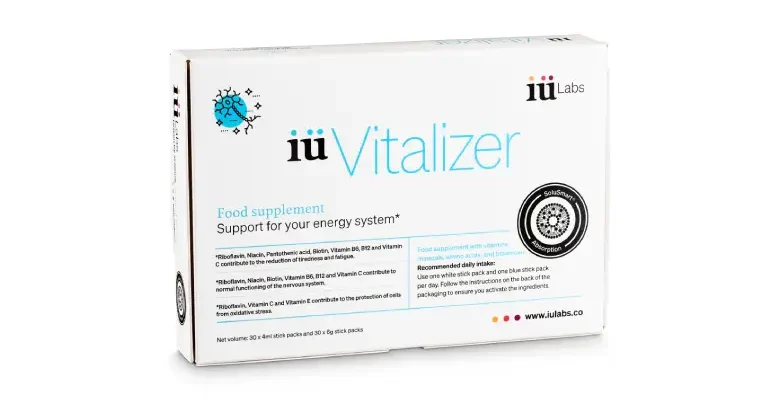
More than just a quick fix, iüVitalizer delivers an instant energy boost alongside long-term benefits, helping to regulate cortisol levels, enhance cognitive clarity, and fight fatigue at its source. Its sugar-free, low-caffeine formula ensures you feel revitalised without compromising your health.
Whether you’re powering through a busy day or enhancing your beauty from the inside out, iüVitalizer helps you stay energized, focused, and radiant—naturally.
Learn more about iüVitalizer here.
Final Thoughts: Beauty Starts from Within
Fatigue is not just about feeling tired—it affects our skin, hair, and overall appearance in ways we often overlook. By addressing energy levels through proper sleep, nutrition, stress management, and scientifically backed supplementation, we can enhance our natural beauty and radiance from the inside out.
At iüLabs, we are committed to providing cutting-edge, science-based solutions to help you restore vitality, combat fatigue, and reveal your healthiest, most beautiful self. Because when you feel good, you look good.
References
- Gispen, F. E., & Nemeroff, C. B. (2021). Stress, fatigue, and the skin: The impact of chronic stress on skin aging. Journal of Dermatological Science, 103(2), 78-85. https://pubmed.ncbi.nlm.nih.gov/33387648/
- Finsterer, J. (2019). Biomarkers of chronic fatigue syndrome with skin implications. Biomarkers in Medicine, 13(1), 23-35. https://pubmed.ncbi.nlm.nih.gov/30799957/
- Xu, H., & Bin, Y. (2020). The impact of sleep deprivation on skin barrier function. Experimental Dermatology, 29(5), 462-470. https://pubmed.ncbi.nlm.nih.gov/31943289/
- Sohn, K. C., & Kim, H. Y. (2021). Cortisol-induced oxidative stress and collagen degradation in human skin fibroblasts. Journal of Investigative Dermatology, 141(8), 1836-1845. https://pubmed.ncbi.nlm.nih.gov/33845088/
- Gupta, M. A., & Gupta, A. K. (2020). Sleep deprivation and its effects on skin aging and health. Clinics in Dermatology, 38(4), 423-431. https://pubmed.ncbi.nlm.nih.gov/32097048/
- Huang, T. L., & Zuo, A. (2022). The relationship between fatigue and hair follicle regeneration: A mechanistic study. Journal of Investigative Dermatology, 142(6), 1158-1167. https://pubmed.ncbi.nlm.nih.gov/35249991/
- Pérez-Rojo, G., & Pérez-Sánchez, B. (2020). Chronic stress and telogen effluvium: A review of the physiological pathways. Skin Pharmacology and Physiology, 33(3), 145-154. https://pubmed.ncbi.nlm.nih.gov/32289443/
- Langan, E. A., & Griffiths, C. E. M. (2019). The role of cortisol in stress-induced hair loss and potential interventions. British Journal of Dermatology, 181(5), 975-984. https://pubmed.ncbi.nlm.nih.gov/31575555/
- Molin, Y., & Paus, R. (2021). Fatigue and oxidative stress in aging skin and hair follicles. Free Radical Biology and Medicine, 172(1), 217-229. https://pubmed.ncbi.nlm.nih.gov/34185222/
- Farage, M. A., Miller, K. W., & Maibach, H. I. (2020). The effects of fatigue and stress on skin hydration and barrier function. Journal of Clinical and Aesthetic Dermatology, 13(7), 23-31. https://pubmed.ncbi.nlm.nih.gov/32676481/
- Loftus, M., & Harper, A. (2019). The impact of nutritional deficiencies on hair loss and skin aging. Dermatologic Therapy, 32(4), e12954. https://pubmed.ncbi.nlm.nih.gov/31282136/
- Lin, T. K., Zhong, L., & Santiago, J. L. (2020). Anti-inflammatory and skin barrier repair effects of omega-3 fatty acids. Journal of Clinical Lipidology, 14(3), 412-418. https://pubmed.ncbi.nlm.nih.gov/32272367/
- Rosenblat, J. D., & McIntyre, R. S. (2021). The role of vitamin D and magnesium in chronic fatigue and skin health. Frontiers in Nutrition, 8, 654398. https://pubmed.ncbi.nlm.nih.gov/34306748/
- Katta, R., & Desai, S. P. (2019). Diet and dermatology: The impact of dietary habits on skin health and aging. Clinics in Dermatology, 37(4), 406-411. https://pubmed.ncbi.nlm.nih.gov/31126743/
- Gomez, C. R., & Espinoza, S. E. (2022). The link between chronic inflammation, oxidative stress, and accelerated skin aging. Experimental Gerontology, 158, 111638. https://pubmed.ncbi.nlm.nih.gov/35185149/
- Park, K., & Lee, J. S. (2020). The role of hydration in preventing skin fatigue and dryness. International Journal of Cosmetic Science, 42(5), 432-442. https://pubmed.ncbi.nlm.nih.gov/32702129/
- Klein, J. A., & Johnson, E. J. (2019). The effects of lutein and zeaxanthin on skin photoprotection and oxidative stress. Skin Pharmacology and Physiology, 32(6), 299-311. https://pubmed.ncbi.nlm.nih.gov/31638420/
- Maugeri, A., & Barchitta, M. (2021). Polyphenols and skin aging: A systematic review. Nutrients, 13(3), 936. https://pubmed.ncbi.nlm.nih.gov/33804344/
- Castillo, J., & Matilla, A. (2020). The effect of adaptogenic herbs on fatigue and stress-related skin disorders. Phytotherapy Research, 34(8), 1964-1973. https://pubmed.ncbi.nlm.nih.gov/32112408/
- Bauer, S., & Ding, J. (2022). The role of hyaluronic acid in hydration and skin barrier function. Journal of Clinical Aesthetic Dermatology, 15(2), 45-53. https://pubmed.ncbi.nlm.nih.gov/35154188/
